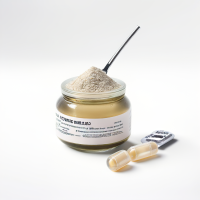

Phosphatidylserine powder is a high-demand supplement, especially among those seeking to improve cognitive function and reduce stress. However, many importers encounter challenges that can result in financial losses and a poor product supply chain. Understanding the common mistakes when purchasing phosphatidylserine powder is vital. This article discusses these pitfalls, providing insights into avoiding costly errors while ensuring the highest quality product. Engage with manufacturer insights to facilitate a smoother importing experience.
Table of Contents
1. Not Verifying Supplier Credentials
One of the most significant mistakes importers make is failing to confirm the legitimacy of their suppliers. This oversight can lead to severe consequences, like low-quality products or even fraud. Always ensure that your supplier has necessary certifications and an established reputation in the industry.
Steps for Verification
- Check official certifications like GMP (Good Manufacturing Practices).
- Review online feedback and testimonials.
- Conduct an audit if possible.
2. Ignoring Product Specifications
Importers often disregard the detailed specifications of phosphatidylserine powder. This mistake can result in products that do not meet market expectations or legal requirements. Understanding the potency, purity, and origin of the product is crucial for compliance and effectiveness.
Key Specifications to Consider
- Concentration levels (minimum of 20% phosphatidylserine).
- Source (soy-based vs. sunflower-based).
- Micronization processes and particle size.
3. Underestimating Shipping Regulations
Many importers overlook the complex regulations surrounding the importation of health supplements. Failing to adhere to customs regulations can lead to significant delays or product seizure.
Important Shipping Regulations
| Regulation | Description |
|---|---|
| FDA Compliance | Ensure products conform to FDA guidelines for dietary supplements. |
| Import Tariffs | Check applicable tariffs and taxes for phosphatidylserine. |
4. Overlooking Quality Assurance
Neglecting quality assurance processes can lead to receiving subpar products. Importers should ensure their suppliers have reliable quality control measures in place.
Quality Assurance Checkpoints
- Batch testing results.
- Third-party testing certificates.
- Return policies for defective products.
5. Failing to Obtain Samples
Skipping the sample acquisition step can be a costly error. Samples allow importers to assess product quality before committing to larger orders.
Sample Request Process
- Contact suppliers and inquire about sample sizes.
- Evaluate the sample for taste, texture, and functionality.
- Document the results to help make informed purchasing decisions.
Conclusion
Avoiding these common pitfalls when importing phosphatidylserine powder is essential for success in the supplement market. By emphasizing supplier verification, understanding product specifications, observing shipping regulations, implementing quality assurance measures, and acquiring product samples, importers can enhance their purchasing processes and establish a solid foothold in the industry. Smarter buying results in better products, improved customer satisfaction, and ultimately, a more profitable business.