Feb. 27, 2026
When purchasing low-grade L-theanine powder, it is crucial to understand the common quality issues that may arise. Low-quality products can result in low purity levels, contamination with harmful substances, ineffective production processes, and issues with product stability. This article will explore five major quality issues in low-grade L-theanine powder, along with their implications and how to spot them.
One of the most significant concerns is low purity levels, often observed in low-grade L-theanine powder. Typically, high-quality L-theanine should contain at least 98% purity.
Low-grade products may have purity levels as low as 50%. This can lead to ineffective results when used as a supplement.
Many low-grade L-theanine powders may contain contaminants or adulterants that compromise product safety. These substances can include heavy metals, pesticides, and other harmful chemicals.
A quality L-theanine should pass stringent testing for contaminants. It is essential for suppliers to provide certificates of analysis verifying the absence of harmful substances.
Inefficient production methods can affect the quality of L-theanine. Processes lacking proper controls may introduce variability in the product\'s chemical composition.
Manufacturers who comply with Good Manufacturing Practices (GMP) are more likely to deliver high-grade L-theanine. Always inquire about the manufacturing processes before final purchase.
Low-grade L-theanine powder is often less stable than high-quality options. This can lead to degradation over time, influencing both potency and efficacy.
Products should maintain their quality for a minimum of 2 years if stored correctly. Check for stability testing results from reputable sources.
Inconsistent dosing can be an issue with low-grade L-theanine powders. Variability may result from poor quality control during production.
A reliable supplier will provide products with consistent dosing guidelines, helping users achieve the desired benefits effectively.
| Quality Factor | High-Grade L-Theanine | Low-Grade L-Theanine |
|---|---|---|
| Purity Level | ≥98% | 50-90% |
| Contaminants | None detected | Possible presence |
| Production Standards | Meets GMP | Not certified |
| Shelf Life | 2+ years | Less than 2 years |
| Dosing Consistency | Highly consistent | Variable |
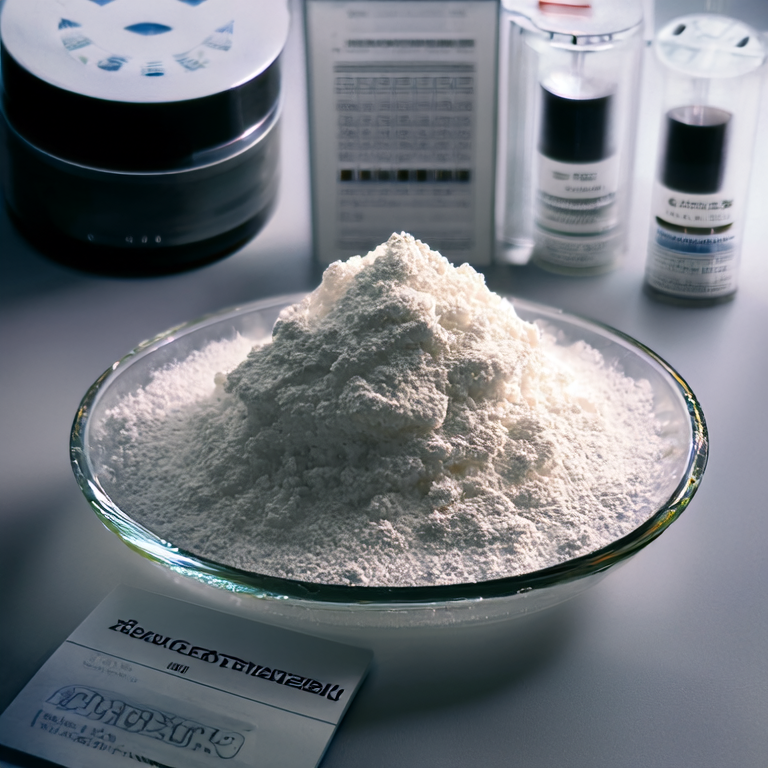
In summary, understanding the common quality issues associated with low-grade L-theanine powder is essential for making informed purchasing decisions. Low purity levels, contaminants, ineffective production processes, poor stability, and variability in dosage can significantly impact the quality and effectiveness of the product. Always look for reliable suppliers who adhere to industry standards, like Witspower, to ensure you receive a product that meets your expectations.
 Witspower L-Theanine" />
Quick Links
Tel: +1 213 554 2947
E-mail: info@witspower.com
WhatsApp: +86 186 2946 5189
Skype: howey8825
Add: 895 S Rockefeller Ave, Suite 101, Ontario, CA91761