Feb. 17, 2026
When considering importing phosphatidylserine powder, understanding the documentation required is crucial. Importing this valuable supplement involves multiple steps and specific paperwork. Buyers and distributors must navigate various regulations to ensure compliance, which can often lead to challenges. In this article, we will explore the necessary documentation and processes to simplify your importing experience and provide clarity on compliance requirements.
Here are the major documents typically required when importing phosphatidylserine powder:
An Import License is necessary to legally bring phosphatidylserine powder into the importing country. This document serves as a permit and may be required by government authorities.
The Commercial Invoice provides details about the transaction, including the buyer and seller information, item description, quantity, and pricing. It serves as an important document for customs purposes.
The Bill of Lading is a legal document between the shipper and carrier, detailing the type and quantity of goods transported. It\'s critical for owners to claim their goods.
The Certificate of Analysis provides verification that the product meets specified standards, essential for quality assurance regarding phosphatidylserine powder.
This document certifies where the goods originated from. It can be essential for tariff and customs clearance, impacting the final cost.
This certificate confirms that the product complies with food safety regulations, ensuring that the phosphatidylserine powder is safe for human consumption.
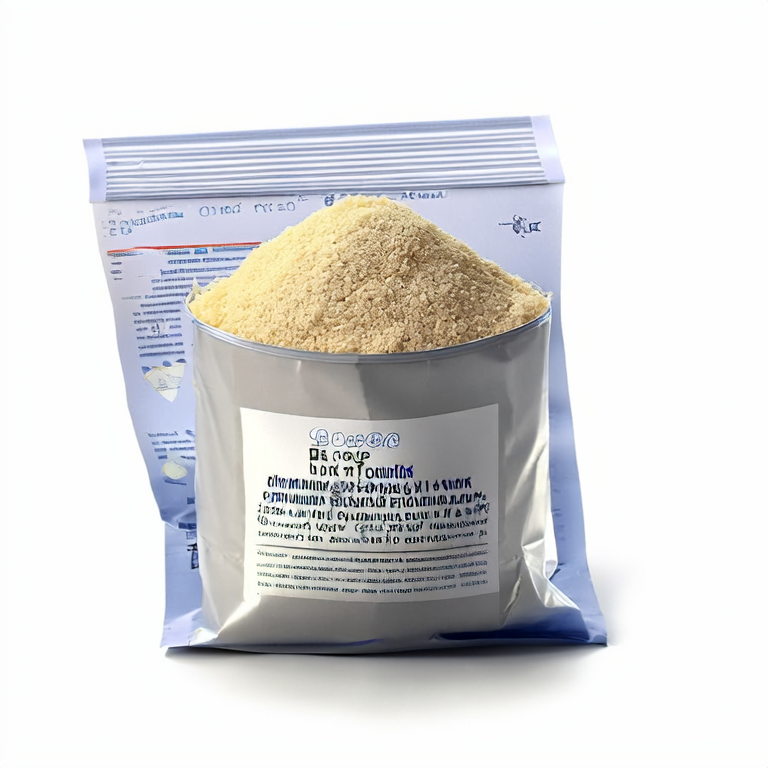
This flowchart provides a visual step-by-step outline of the import process from documentation gathering to customs clearance.
Before starting the import process, consider the following:
Phosphatidylserine is a phospholipid that plays a key role in cellular function and is often used in supplements for cognitive health.
The length of the import process can vary based on documentation preparation, shipping time, and customs processing, typically ranging from a few days to several weeks.
Failure to provide the appropriate documentation can lead to customs delays, fines, or even confiscation of goods. Ensuring accurate paperwork is critical to a smooth importing experience.
Navigating the documentation for importing phosphatidylserine powder can initially seem daunting; however, recognizing the required documentation and following established procedures will streamline the process. For more information, consult local regulations or seek professional assistance.
Quick Links
Tel: +1 213 554 2947
E-mail: info@witspower.com
WhatsApp: +86 186 2946 5189
Skype: howey8825
Add: 895 S Rockefeller Ave, Suite 101, Ontario, CA91761