Feb. 24, 2026
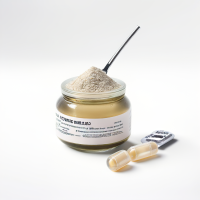
Phosphatidylserine is a phospholipid that is crucial for maintaining cellular function, particularly in the brain. Understanding the differences between natural and synthetic phosphatidylserine powder is essential for consumers and manufacturers alike. Consumers often express concerns about efficacy and safety, guiding their choice. Reports suggest that both types contain similar active components; however, their origins and how they are processed can lead to varying qualities in the final product.
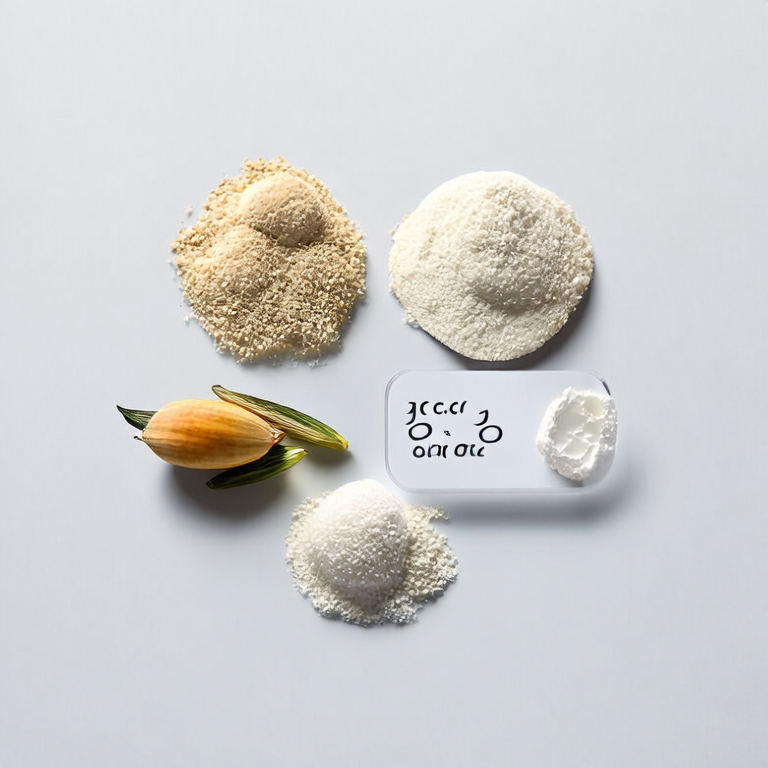
1. **Natural Phosphatidylserine**: Derived from bovine brain or soy lecithin.
2. **Synthetic Phosphatidylserine**: Created through chemical synthesis in laboratories.
The production processes for natural and synthetic phosphatidylserine differ significantly:
Extracted through enzymatic reactions from natural sources.
Manufactured using phospholipid precursors in a controlled setting.
1. **Natural Phosphatidylserine** tends to be more expensive due to sourcing from animal or plant sources.
2. **Synthetic Phosphatidylserine** is typically more affordable and widely available in the market.
Studies indicate both forms may provide cognitive benefits; however, natural phosphatidylserine is often preferred due to its bioavailability.
Both natural and synthetic phosphatidylserine play a role in supporting cognitive health, memory retention, and overall brain function.
Research suggests that phosphatidylserine can reduce cortisol levels, thus helping to manage stress more effectively.
It\'s important for users, especially those with specific health concerns, to discuss with healthcare providers before starting supplementation.
Typical doses range from 100 mg to 400 mg per day. Consulting professional guidelines is advised.
Users with soy allergies should avoid natural sources derived from soy lecithin.
In summary, while both natural and synthetic phosphatidylserine powders present advantages, consumers should consider quality, sourcing, and individual health needs when making a choice. Natural forms may offer improved benefits, while synthetic options provide practicality and accessibility. Ongoing research will continue to illuminate their respective roles in dietary supplementation.
Brand: Witspower
Quick Links
Tel: +1 213 554 2947
E-mail: info@witspower.com
WhatsApp: +86 186 2946 5189
Skype: howey8825
Add: 895 S Rockefeller Ave, Suite 101, Ontario, CA91761