Mar. 19, 2026
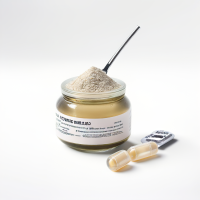
Phosphatidylserine (PS) is a phospholipid that is crucial for brain health and function. It plays a pivotal role in cell membrane integrity and is involved in signaling pathways in neuronal cells. Derived from soy or cabbage, phosphatidylserine powder is increasingly being considered as an ingredient in functional foods and beverages. This interest stems from its potential cognitive benefits, such as enhancing memory and reducing cognitive decline.
1. **Cognitive Enhancement**: Clinical studies suggest that PS may enhance memory, learning, and overall cognitive function.
A study indicated that participants experienced significant improvement in memory tests after supplementation with PS.
2. **Stress Reduction**: PS may help reduce cortisol levels and minimize the effects of stress.Research shows that individuals taking PS experienced lower stress levels during mentally taxing activities.
3. **Mood Stabilization**: It is associated with improvements in mood and may alleviate symptoms of anxiety and depression.Surveys of users report a 30% decrease in anxiety levels with consistent PS usage.
The incorporation of phosphatidylserine powder in functional foods is on the rise. Its applications range from dietary supplements to beverages and snacks designed to enhance cognitive health. Manufacturers are exploring various product categories like energy bars and fortified beverages to appeal to health-conscious consumers.
Is it feasible to incorporate phosphatidylserine powder in functional foods? Let’s analyze the benefits alongside challenges such as regulatory approval, sourcing quality materials, and consumer acceptance.
| Feasibility Factors | Pros | Cons |
|---|---|---|
| Consumer Interest | High demand for cognitive health products | Price sensitivity for premium ingredients |
| Regulatory Compliance | Growing acceptance of nutritional supplements | Complex regulations vary by country |
| Manufacturing Capability | Established supply chains for phosphatidylserine | Quality control challenges |
The market for functional foods is growing rapidly. Research shows that 60% of consumers are interested in functional ingredients for cognitive enhancement. Brands that educate consumers about phosphatidylserine\'s benefits can effectively tap into this trend.
There are several challenges to consider when incorporating phosphatidylserine powder into functional foods: 1. **Cost of Ingredients**: The price can be a barrier for both manufacturers and consumers. 2. **Public Awareness**: There\'s a need to educate consumers on the specific benefits of phosphatidylserine. 3. **Taste and Texture**: Formulating products that maintain pleasing flavors and textures can be challenging.
Step 1: Identify Target Market
Step 2: Assess Ingredient Costs
Step 3: Develop Product Formulation
Step 4: Conduct Consumer Testing
Step 5: Launch Marketing Campaign
Future developments in phosphatidylserine applications for functional foods may focus on enhanced bioavailability and combination with other nutrients. Innovations in processing techniques and formulation will play a vital role in addressing consumer preferences. Collaborations between manufacturers and researchers could lead to new insights and product innovations.
The feasibility of incorporating phosphatidylserine powder into functional foods appears promising, given the increasing consumer demand for cognitive health products. While there are challenges to overcome, strategic efforts in education, product formulation, and marketing can lead to successful implementation.
Quick Links
Tel: +1 213 554 2947
E-mail: info@witspower.com
WhatsApp: +86 186 2946 5189
Skype: howey8825
Add: 895 S Rockefeller Ave, Suite 101, Ontario, CA91761