Mar. 02, 2026
Phosphatidylserine powder and lecithin are both popular supplements. Many people wonder which one is better for cognitive health. This question often arises among those looking to improve their memory and focus. Both supplements contain essential phospholipids that support brain function. The differences between them can impact your decision. Understanding these differences can guide you in choosing the right option for your needs. 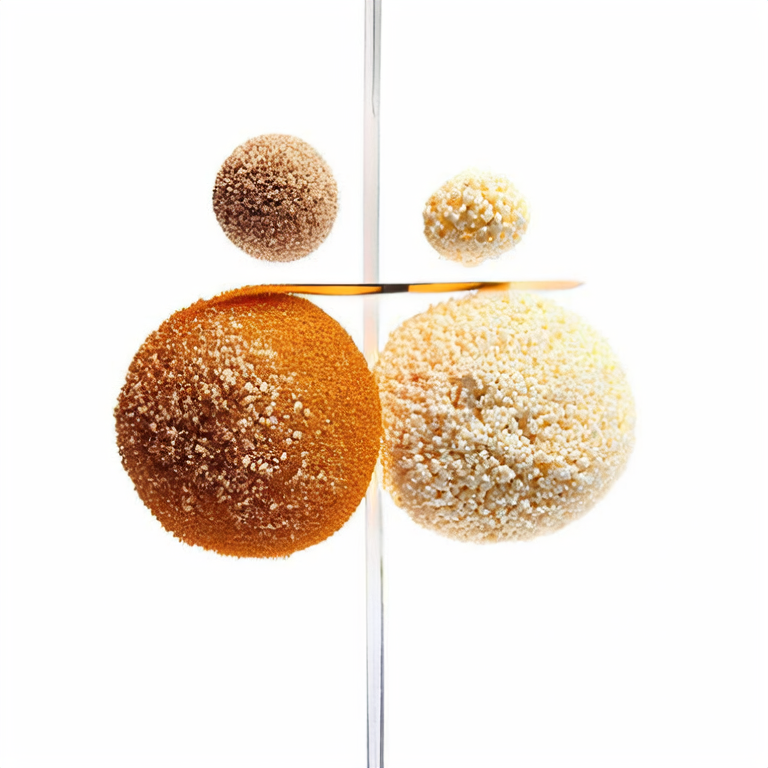
Phosphatidylserine powder primarily targets brain health and cognitive function, while lecithin serves as a source of choline and supports general health. Both have their unique benefits and uses.
Phosphatidylserine is a phospholipid primarily found in the brain. On the other hand, lecithin is a mixture of different fats, including phospholipids, derived from sources like soybeans, egg yolk, and sunflowers. This distinction affects their natural benefits for the body.
Phosphatidylserine is known for its role in brain function. It helps improve memory, reduce cognitive decline, and support mental clarity. Lecithin, while beneficial for brain health, mainly provides choline, a necessary nutrient for cell membranes and neurotransmitter production.
Research indicates that phosphatidylserine can help improve athletic performance and decrease stress levels. Lecithin, conversely, supports liver function and can help lower cholesterol levels. Understanding these benefits is essential for making informed health decisions.
Phosphatidylserine powder is often tasteless and mixes well in drinks. Lecithin can come in granules, capsules, or liquids. The flavor can vary based on the source, making it crucial to consider when incorporating it into your diet.
The recommended dosage of phosphatidylserine is typically 100-300 mg per day, while lecithin can be taken in higher doses, often 1-3 tablespoons daily. Always consult a healthcare provider before starting any supplement to ensure safety.
Phosphatidylserine powder can be more expensive compared to lecithin, which is widely available and often cheaper. Comparing prices can help you find the best product for your budget.
In conclusion, both phosphatidylserine powder and lecithin have unique properties. Phosphatidylserine powder focuses on enhancing cognitive function, while lecithin provides broader health benefits. Evaluating your specific needs will help you choose the right supplement. Remember, it is important to consult a healthcare professional before starting any new supplementation regimen.
Yes, combining both can provide a range of benefits, but consult a healthcare provider to ensure it\'s suitable for you.
Generally, it is considered safe for most people when taken at recommended dosages.
Lecithin is commonly derived from soybeans, eggs, sunflower seeds, and canola oil.
Effects may vary, but some users report improvements in cognitive function within a few weeks.
Side effects are rare, but some may experience digestive issues or allergic reactions, especially if sourced from soy.
Quick Links
Tel: +1 213 554 2947
E-mail: info@witspower.com
WhatsApp: +86 186 2946 5189
Skype: howey8825
Add: 895 S Rockefeller Ave, Suite 101, Ontario, CA91761