Feb. 25, 2026
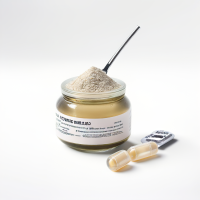
Phosphatidylserine powder is a popular supplement linked to improved cognitive function and memory. Many people are unaware that there are two main sources for this powder: soy and sunflower. Each type has its unique benefits and drawbacks. This raises important questions for consumers. Which type should you choose? This article explains soy-based and sunflower-based phosphatidylserine powder, helping you make informed decisions.
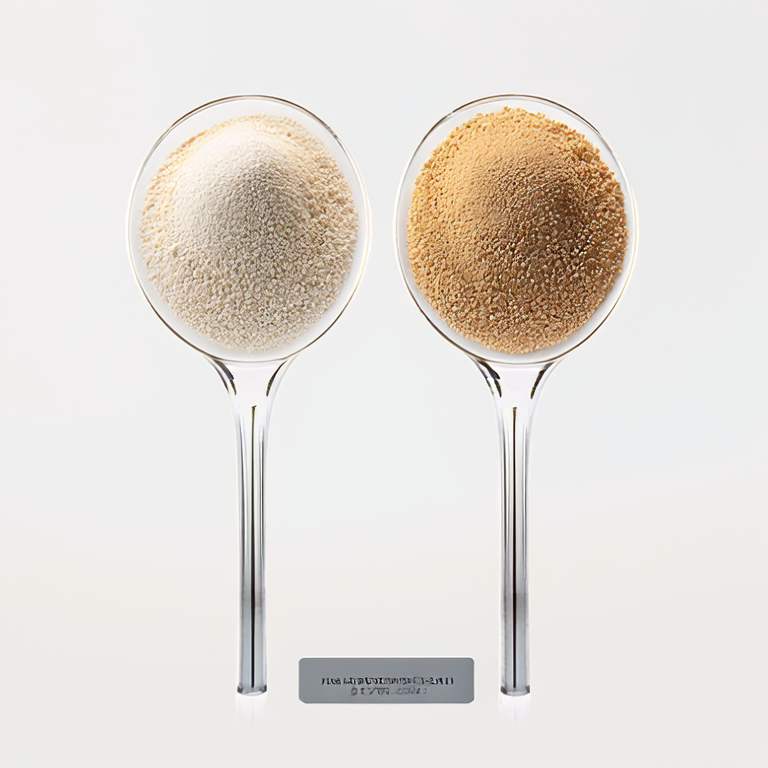
Soy-based phosphatidylserine is derived from soy lecithin, while sunflower-based phosphatidylserine comes from sunflower oil. Both offer similar cognitive benefits, but sunflower-based options are often preferred for those avoiding allergens.
The nutritional content of soy-based and sunflower-based phosphatidylserine powders varies slightly. Here’s how they compare:
| Component | Soy-Based | Sunflower-Based |
|---|---|---|
| Phosphatidylserine Content | Approximately 20% | Approximately 20% |
| Calories per Serving | 30 | 25 |
| Fat Content | 2g | 1.5g |
Both these powders support cognitive health, but sunflower-based options can be more suitable for those with soy allergies. Additionally, sunflower variants are sometimes seen as cleaner options.
The source of phosphatidylserine plays a significant role in its properties. Here are some details on how the two are extracted:
Soy-based phosphatidylserine is typically extracted from soybeans using a process called wet extraction. This involves:
Sunflower-based phosphatidylserine is extracted from sunflower seeds using a similar method, often involving cold-press extraction. This process is considered more natural and retains beneficial nutrients.
Studies show that phosphatidylserine can aid memory and cognitive function. Here’s how both sources perform:
Both soy and sunflower variants have shown similar effectiveness in studies, with improvements in:
When it comes to safety, both powders have been found to be generally safe for most people. However, there are some considerations:
Some individuals may experience digestive issues or allergies when consuming soy products.
Sunflower-based phosphatidylserine is often recommended for those with allergies to soy, making it a safer alternative. It\'s less likely to cause allergic reactions.
Understanding how to use these supplements can lead to better results. Here are general guidelines:
The typical dosage of phosphatidylserine for cognitive health ranges from 100 to 300 mg daily. It is best to consult a healthcare provider for personalized guidance.
Approach usage based on your dietary needs. If you avoid soy, sunflower-based options may be better. If allergies are not a concern, both can offer benefits.
In summary, both soy-based and sunflower-based phosphatidylserine powder offer similar cognitive benefits. However, your choice should depend on personal health considerations, especially allergies. Understanding these differences is crucial in making the right decision for your needs related to phosphatidylserine powder.
1. Is one type better than the other? Both types are effective, but sunflower is often viewed as the safer option for those with soy allergies.
2. Can children take phosphatidylserine powder? Consult a pediatrician before giving it to children for safety and appropriate dosage.
3. How long does it take to see results? Results can vary, but many people report improvements within a few weeks.
4. Are there any side effects? Most people tolerate both forms well, but some may experience digestive issues with soy.
5. Where can I purchase these powders? Both types are available at health food stores, online retailers, and supplement shops.
Quick Links
Tel: +1 213 554 2947
E-mail: info@witspower.com
WhatsApp: +86 186 2946 5189
Skype: howey8825
Add: 895 S Rockefeller Ave, Suite 101, Ontario, CA91761