Mar. 03, 2026
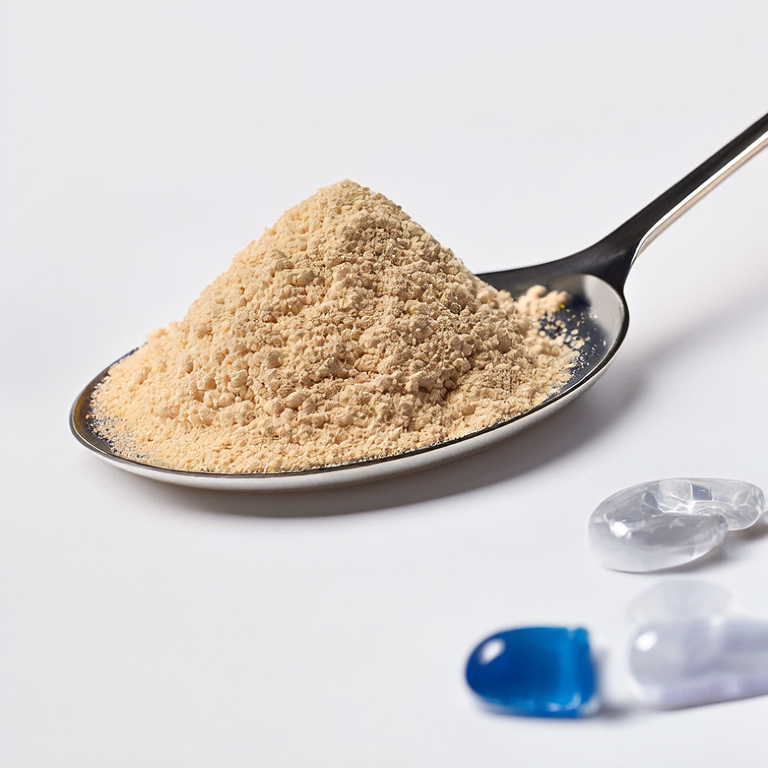
Phosphatidylserine powder is a crucial phospholipid found in high concentrations in the brain. Known for its potential benefits in cognitive function and memory enhancement, it is a popular supplement. Understanding the manufacturing process of phosphatidylserine powder is essential for overseas buyers and distributors seeking high-quality products. This article aims to clarify the processes involved, addressing user concerns and questions about quality, extraction, and applications.
Quality in the manufacturing of phosphatidylserine powder is paramount. Here are three essential factors:
Various testing methods are employed, including HPLC and FTIR, to assess purity and composition.
The manufacturing process typically includes several stages:
See below for a simplified flow chart of the phosphatidylserine manufacturing process:
Extraction methods significantly impact the final product\'s quality. The two predominant methods include:
| Method | Advantages | Disadvantages |
|---|---|---|
| Solvent Extraction | Cost-effective, widely used | Potential residual solvents |
| Enzymatic Extraction | Higher purity, fewer contaminants | More expensive, complex process |
Quality assurance is a fundamental step in the manufacturing of phosphatidylserine powder. Key practices include:
These tests help manufacturers deliver high-quality phosphatidylserine powder, crucial for meeting market demands.
Phosphatidylserine powder has various applications, including:
Understanding the manufacturing process of phosphatidylserine powder is essential for ensuring quality and efficacy. By recognizing the importance of quality testing and various extraction methods, manufacturers can cater to the growing demand for this beneficial supplement. Finally, buyers can make informed decisions in their purchasing processes.
Quick Links
Tel: +1 213 554 2947
E-mail: info@witspower.com
WhatsApp: +86 186 2946 5189
Skype: howey8825
Add: 895 S Rockefeller Ave, Suite 101, Ontario, CA91761